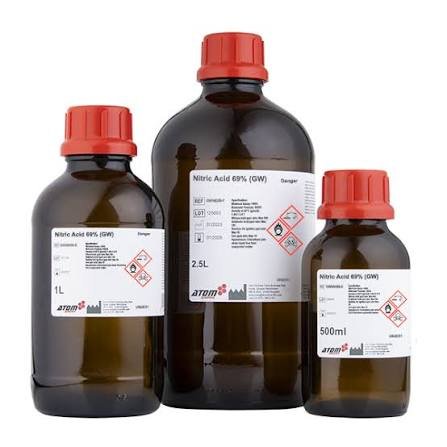
Selecting the right industrial chemicals is a critical decision that can directly impact production efficiency, product quality, workplace safety, and regulatory compliance. Whether your business operates in food processing, manufacturing, agriculture, pharmaceuticals, water treatment, or other industrial sectors, choosing the appropriate chemical products requires careful evaluation of several important factors.
A reliable chemical supply partner does more than provide products; they help businesses maintain consistent operations, reduce risks, and achieve their production goals. Below are the key considerations every business should understand before purchasing industrial chemicals.
Every industrial application has unique requirements, and selecting chemicals based on specific technical specifications is essential. Factors such as chemical composition, concentration, compatibility, performance characteristics, and intended application should be carefully reviewed before making a purchase.
Understanding product specifications helps businesses avoid using unsuitable materials that may affect production processes, damage equipment, or compromise final product quality. Always ensure that the chemical selected meets the technical requirements of your operation.
The quality and purity of industrial chemicals play a major role in achieving consistent results. Low-quality or contaminated chemicals can lead to production challenges, inconsistent outcomes, and increased operational costs.
Businesses should work with suppliers who provide reliable quality documentation, including certificates of analysis (COA), safety data sheets (SDS), and relevant quality certifications. These documents provide assurance that products meet required standards and are suitable for their intended use.
Choosing the right supplier is just as important as choosing the right chemical product. A dependable supplier should have a strong track record, transparent sourcing practices, and the ability to deliver products consistently and on time.
A reliable chemical partner should also provide technical support, product guidance, and assistance with selecting the best solutions for specific applications. Building a long-term relationship with a trusted supplier helps businesses maintain supply chain stability and minimize disruptions.
Industrial chemicals require proper storage and handling procedures to maintain product integrity and ensure workplace safety. Businesses should consider factors such as storage conditions, temperature requirements, packaging, labeling, and handling procedures.
Employees working with industrial chemicals should be trained on safe handling practices and emergency procedures. Following proper storage guidelines helps prevent accidents, reduces waste, and extends the usability of chemical products.
Compliance with industry regulations is a fundamental requirement when purchasing and using industrial chemicals. Businesses must ensure that their chemical products meet applicable safety, environmental, and quality standards.
Working with suppliers who understand regulatory requirements helps businesses remain compliant and avoid potential operational and legal challenges. Proper documentation, labeling, and adherence to safety guidelines are essential components of responsible chemical management.
Selecting the right industrial chemicals requires more than comparing prices. Businesses must consider product specifications, quality standards, supplier reliability, storage requirements, and regulatory compliance to make informed purchasing decisions.
By partnering with a trusted chemical supplier and following best practices for chemical management, organizations can improve operational efficiency, maintain product consistency, and create a safer working environment.